
Western Australia has some of the most active termite conditions in the country — warm temperatures, sandy soils and plenty of timber-framed homes add up to an environment termites are well suited to. It's one of the first things we check on almost every inspection, and it's worth understanding before you're standing in a property you're thinking of buying.
Why Perth properties are particularly exposed
Termites need three things to thrive: warmth, moisture and a timber food source. Perth's climate supplies the first, and the sandy, well-draining soils common across the metro area make it easy for subterranean termite colonies to move through the ground undetected. Add in the number of older timber-framed homes, and the number of newer homes built with timber elements close to soil level, and you've got conditions where termite activity isn't a rare event — it's a normal risk to manage.
What you might be able to spot yourself
You don't need to be a professional to notice some warning signs, even if you can't always tell what's causing them. Keep an eye out for mud tubes running up foundations, piers or walls — these are the pencil-thin trails termites build to travel between soil and timber while staying hidden from light. Timber that sounds hollow or papery when you tap it, skirting boards or door frames that seem to be sagging or warping for no obvious reason, and small piles of discarded wings near windowsills or light fittings (left behind after a termite swarm) are all worth a second look.
None of these signs are a guarantee of an active infestation on their own, and their absence isn't a guarantee you're in the clear either — which is exactly why a visual walkthrough by an untrained eye isn't enough to make a buying decision on.
What we check that most buyers can't
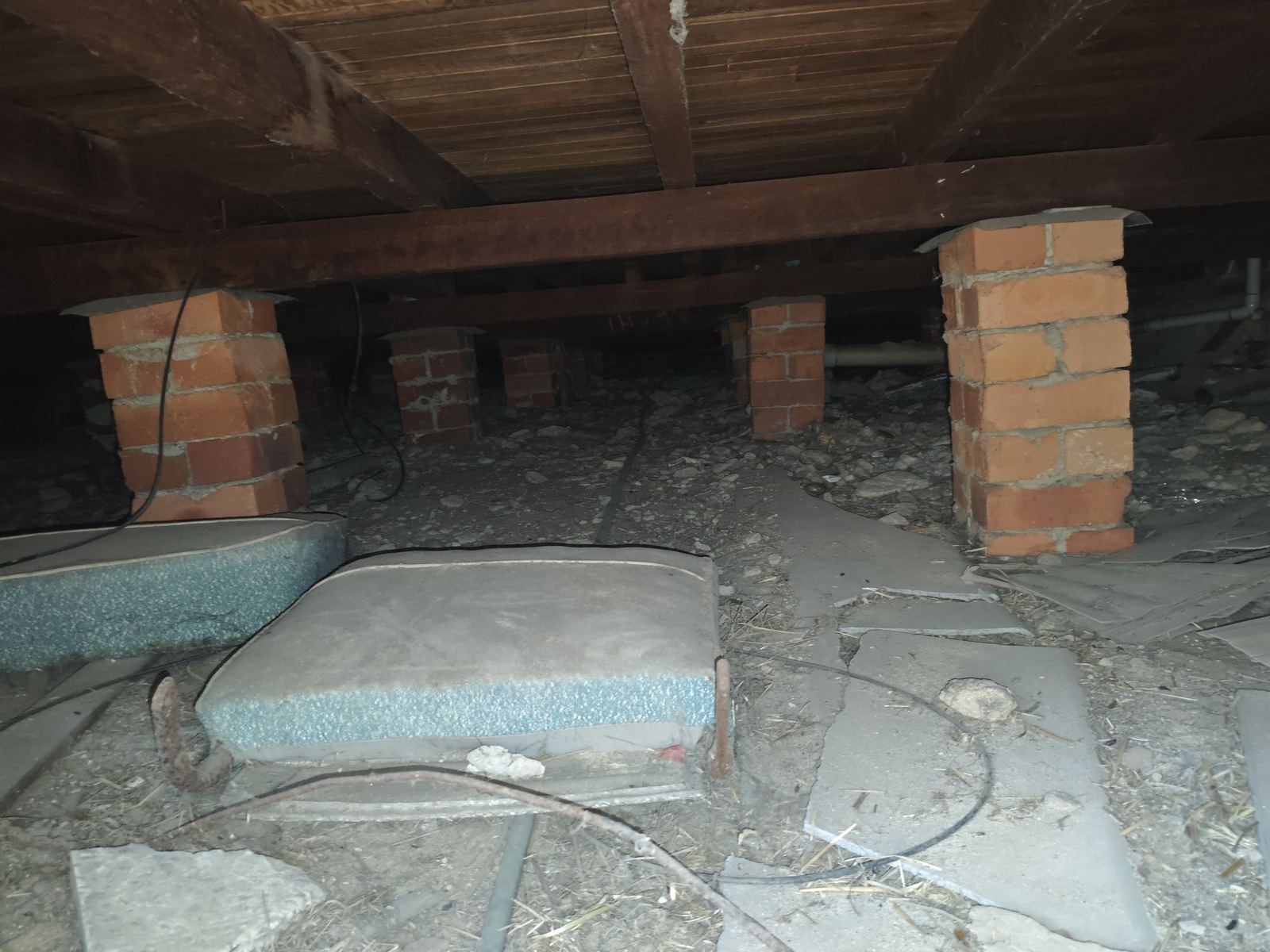
A proper termite check goes well beyond what's visible from a casual walkthrough. We get into the subfloor and roof cavity where access allows, use a moisture meter to pick up dampness patterns consistent with termite activity, and tap and probe timber in areas most prone to attack — architraves, skirting, door jambs, and structural timber near ground contact. We're also looking at the broader property for conditions that invite termites in the first place: garden beds built up against brickwork, leaking taps or downpipes keeping soil damp near the foundation, timber offcuts or mulch piled against the house, and any previous treatment barriers that may have broken down over time.
What it actually means if we find termites or termite damage
Finding evidence of termites — whether that's old damage, an active colony, or just favourable conditions — doesn't automatically mean you should walk away from a property. What matters is the extent of any damage, whether the activity is current or historical, and what it would cost to treat and repair. Sometimes it's a straightforward pest treatment and a bit of timber replacement. Other times, it's evidence of a structural issue that needs a more serious conversation with the seller before you proceed. Either way, having that information clearly laid out before you're locked into a contract puts you in a much stronger position than finding out after settlement.
The bottom line
Termites are common enough in Perth that we'd treat a property with zero visible risk factors as the exception, not the rule. A thorough pre-purchase inspection that specifically checks for termite activity and damage is one of the more valuable parts of the process — not because it's likely to scare you off a property, but because it tells you exactly what you're dealing with before you commit.